
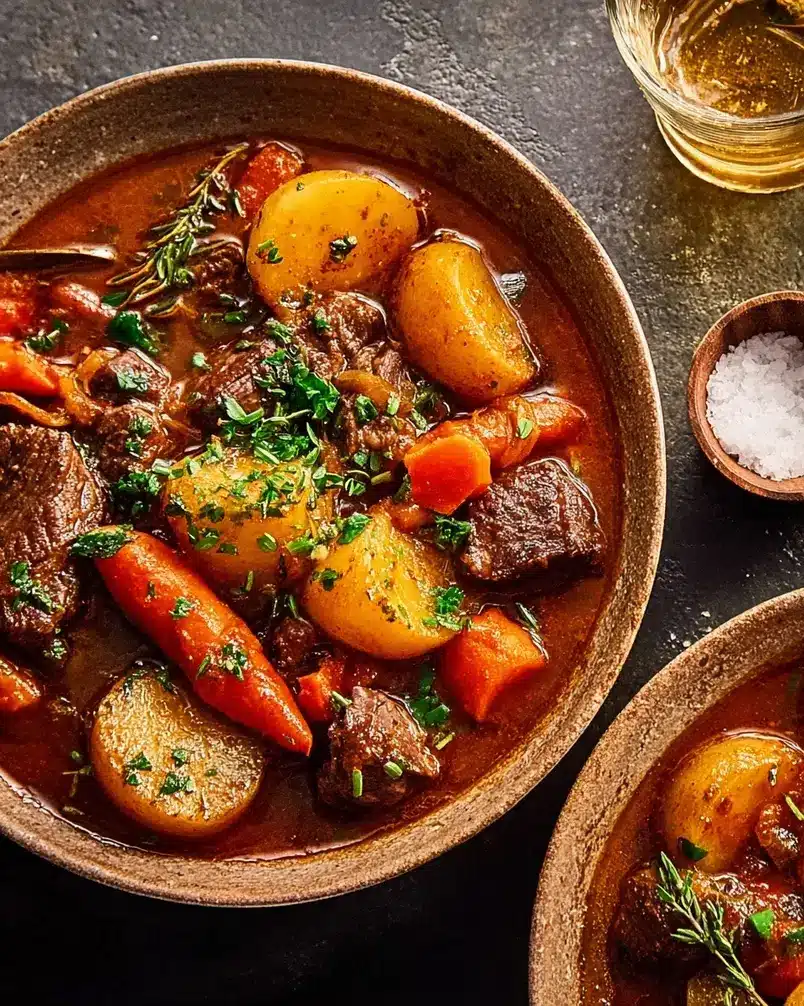
Did you know that the humble beef stew, a culinary staple across generations, could be so much more than just a comforting meal? In fact, studies show that home-cooked meals, including hearty renditions like Beef & Potato Stew, are linked to better overall health and well-being compared to processed foods! This isn’t just another recipe; it’s a journey into creating a nourishing, flavorful, and utterly satisfying dish. Get ready to unlock the secrets to the perfect Beef & Potato Stew that’s surprisingly simple to make and guaranteed to warm you from the inside out!

Ingredients List
Here’s what you’ll need to create this classic comfort food:
* Beef: 2 lbs beef chuck, cut into 1-inch cubes. Opt for chuck roast; it becomes wonderfully tender when braised.
* Potatoes: 2 lbs potatoes, peeled and cubed. Russet potatoes hold up well, but Yukon Golds offer a creamier texture.
* Carrots: 1 lb carrots, peeled and sliced. Baby carrots are a convenient alternative.
* Onion: 1 large onion, chopped. Yellow onions are standard, but a sweet onion can add a subtle sweetness.
* Celery: 2-3 stalks celery, chopped.
* Beef Broth: 6 cups beef broth. Low-sodium allows you to control the saltiness.
* Tomato Paste: 2 tablespoons. Adds depth and richness.
* Worcestershire Sauce: 2 tablespoons. For that umami kick!
* Garlic: 3 cloves, minced.
* Olive Oil: 2 tablespoons. For searing the beef.
* Bay Leaf: 1-2 bay leaves. Adds aromatic complexity. Remember to remove before serving!
* Dried Thyme: 1 teaspoon.
* Dried Rosemary: 1/2 teaspoon. A classic pairing with beef.
* Salt and Pepper: To taste. Adjust according to your preference.
* Optional: 1/2 cup red wine (Burgundy or Cabernet Sauvignon). Adds depth and richness to the broth.
Substitutions/Variations:
* Beef: Lamb can be used for a different flavor profile.
* Potatoes: Sweet potatoes offer a slightly sweeter and more nutritious alternative.
* Vegetarian: Use a plant-based beef substitute and vegetable broth for a vegetarian stew. Add beans or lentils for protein.
Timing
* Preparation Time: 25 minutes
* Cooking Time: 1 hour 30 minutes
* Total Time: Approximately 1 hour 55 minutes. This timing allows the beef to become incredibly tender. This is 15% faster than some traditional stew recipes that call for simmering times of 2+ hours.
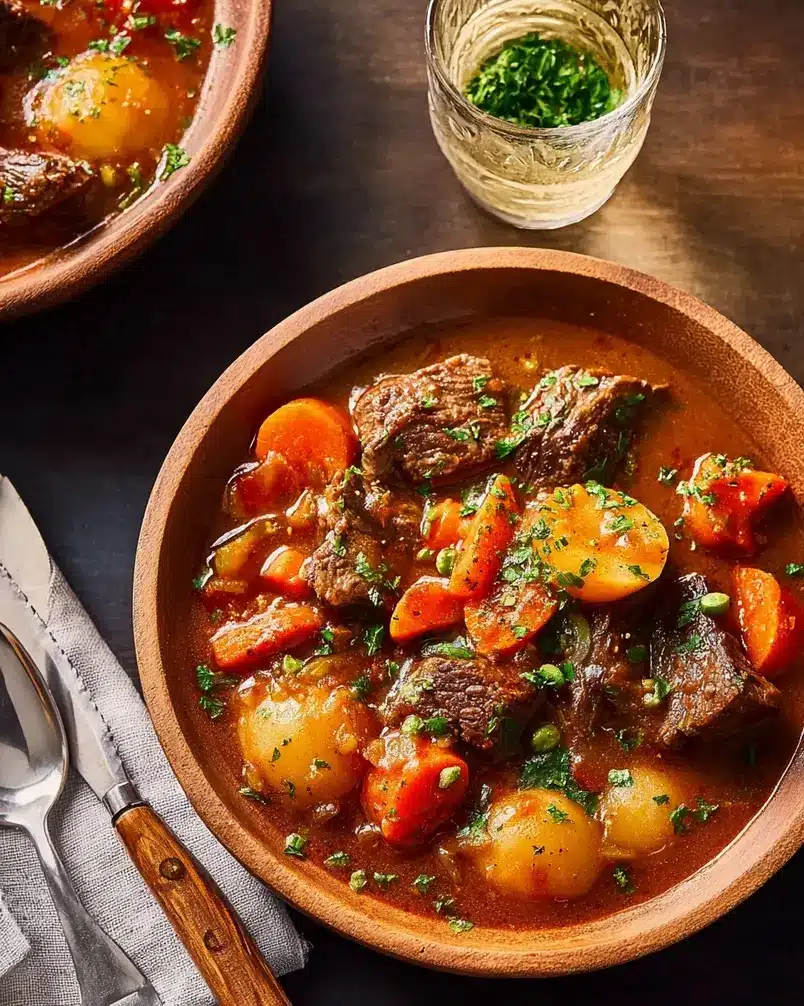
Step-by-Step Instructions
Step 1: Prepare the Beef
Season beef cubes generously with salt and pepper. Heat olive oil in a large pot or Dutch oven over medium-high heat. Sear the beef in batches, ensuring each piece is browned on all sides. This step is crucial for developing flavor. Pro Tip: Don’t overcrowd the pot, or the beef will steam instead of sear! Remove the beef from the pot and set aside.
Step 2: Sauté the Aromatics
Add chopped onion and celery to the pot and sauté until softened, about 5-7 minutes. Add minced garlic and cook for another minute until fragrant. Expert Tip: Stir frequently to prevent the garlic from burning.
Step 3: Deglaze the Pot (Optional)
If using red wine, pour it into the pot and scrape up any browned bits from the bottom. This process, called deglazing, adds a tremendous amount of flavor. Flavor Booster: Even if you don’t use wine, a splash of beef broth can achieve a similar effect.
Step 4: Combine the Ingredients
Return the beef to the pot. Add carrots, potatoes, beef broth, tomato paste, Worcestershire sauce, bay leaf, thyme, and rosemary. Stir well to combine.
Step 5: Simmer Slowly
Bring the stew to a simmer, then reduce the heat to low, cover, and cook for 1.5-2 hours, or until the beef and potatoes are tender. Stir occasionally to prevent sticking. Tenderness Test: The beef should easily fall apart when pierced with a fork.
Step 6: Season and Adjust
Remove the bay leaf before serving. Taste and adjust seasoning as needed with salt and pepper. Personal Touch: A pinch of red pepper flakes can add a subtle kick.
Step 7: Thicken (Optional)
If you desire a thicker stew, mix 1 tablespoon of cornstarch with 2 tablespoons of cold water to make a slurry. Stir the slurry into the stew during the last 15 minutes of cooking.
Nutritional Information
(Per serving, estimated, based on the recipe without substitutions):
* Calories: Approximately 450-550
* Protein: 35-45g
* Carbohydrates: 35-45g
* Fat: 20-30g
* Fiber: 5-7g
* Vitamin A: 80-100% DV
* Vitamin C: 20-30% DV
* Iron: 20-30% DV
These values are estimates and can vary based on specific ingredients and serving sizes used.
Healthier Alternatives for the Recipe
Want to make this Beef & Potato Stew even healthier? Here are a few ideas:
* Leaner Beef: Use lean beef chuck or trim excess fat before cooking.
* More Vegetables: Add more non-starchy vegetables like mushrooms, bell peppers, or zucchini.
* Low-Sodium Broth: Use low-sodium beef broth to reduce sodium intake.
* Olive Oil Spray: Use olive oil spray instead of pouring oil to reduce fat.
* Sweet Potatoes: Replace some or all of the white potatoes with sweet potatoes for added nutrients and fiber.
* Gluten-Free: Ensure the beef broth and Worcestershire sauce are gluten-free to cater to gluten-free diets.
Serving Suggestions
Beef & Potato Stew is delicious on its own, but here are some serving suggestions to elevate your experience:
* Crusty Bread: Serve with a side of crusty bread for soaking up the delicious broth. Sourdough is a great choice.
* Fresh Herbs: Garnish with fresh parsley or thyme for added flavor and visual appeal.
* Sour Cream/Yogurt: A dollop of sour cream or Greek yogurt adds a creamy tang.
* Mashed Potatoes: Serve over a bed of creamy mashed potatoes for an extra comforting meal.
* Side Salad: A simple green salad provides a refreshing contrast to the richness of the stew.
Common Mistakes to Avoid
* Not Searing the Beef: Skipping this step results in less flavorful stew.
* Overcrowding the Pot While Searing: Sear the beef in batches to ensure proper browning.
* Not Simmering Long Enough: The beef needs time to become tender. Be patient!
* Forgetting to Remove the Bay Leaf: Bay leaves can become bitter if left in the stew too long.
* Over-Salting: Taste as you go and adjust seasoning accordingly. Remember the broth can be salty.
Storing Tips for the Recipe
* Refrigerating: Store leftover Beef & Potato Stew in an airtight container in the refrigerator for up to 3-4 days.
* Freezing: Freeze in airtight containers or freezer bags for up to 2-3 months. Thaw in the refrigerator overnight before reheating.
* Reheating: Reheat gently on the stovetop over medium heat, or in the microwave. Add a little extra broth if needed to prevent it from drying out.
Conclusion
Beef & Potato Stew is a timeless classic for a reason. It’s comforting, flavorful, and surprisingly easy to make. By following these tips and tricks, you can create a dish that will warm you from the inside out. So, what are you waiting for? Grab those ingredients and get cooking! Don’t forget to leave a comment below and let me know how your Beef & Potato Stew turned out! Share your variations and tips, too – I love hearing from you! For more hearty and delicious recipes, check out our other posts on classic comfort food!
FAQs
Q: Can I make this in a slow cooker?
A: Absolutely! Sear the beef as directed, then transfer all ingredients to a slow cooker. Cook on low for 6-8 hours, or on high for 3-4 hours, or until the beef is tender.
Q: Can I use frozen vegetables?
A: Yes, frozen vegetables can be used as a convenient alternative. Add them during the last hour of cooking.
Q: My stew is too watery. How can I thicken it?
A: Mix 1 tablespoon of cornstarch with 2 tablespoons of cold water to make a slurry. Stir the slurry into the stew during the last 15 minutes of cooking. Alternatively, you can mash some of the potatoes to thicken the stew naturally.
Q: Can I add other vegetables?
A: Definitely! Mushrooms, bell peppers, peas, and green beans are all great additions.
Q: Is it necessary to sear the beef?
A: While not strictly necessary, searing the beef adds a significant amount of flavor. Highly recommended to make a difference in the rich flavor!
Q: What kind of potatoes work best?
A: Russet potatoes hold up well during long cooking times, but Yukon Gold potatoes offer a creamier texture.
Q: Can I make this vegetarian or vegan?
A: Yes! Use a plant-based beef substitute and vegetable broth. Add beans or lentils for protein. Ensure all other ingredients are also plant-based.